Why Physical AI Needs More Than Vision
Artificial intelligence has transformed industrial robotics. However, vision alone cannot solve every manufacturing challenge.
Robots also need the ability to detect force, pressure, and contact. As a result, tactile sensing and digital twins are helping manufacturers build smarter, more capable automation systems.
Vision Starts the Process
Machine vision helps robots locate objects, identify parts, and understand their surroundings. Therefore, manufacturers automate repetitive tasks with greater speed and accuracy.
However, cameras cannot detect grip force or confirm secure contact. Physical AI requires another layer of feedback.
Touch Adds Intelligence
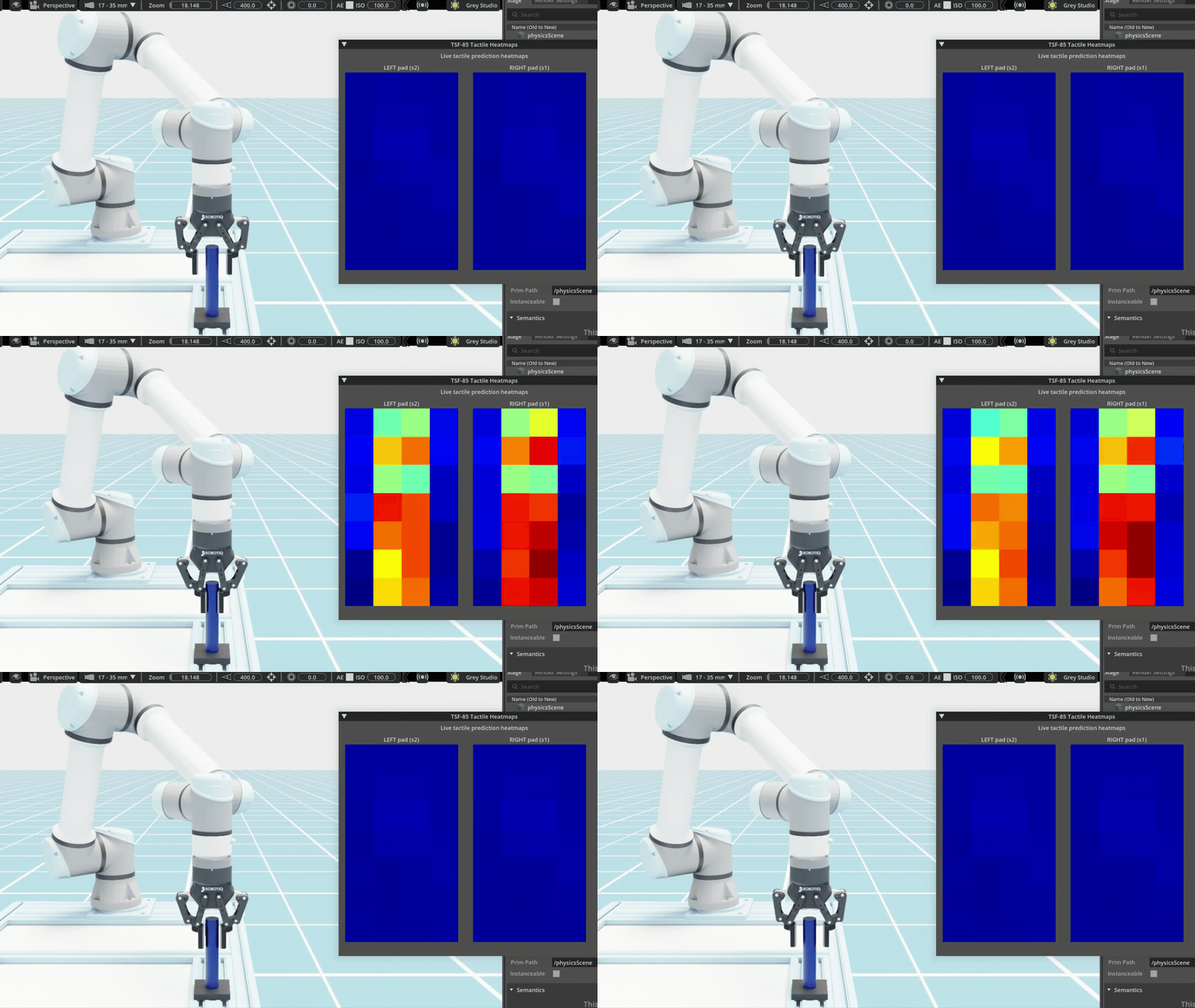
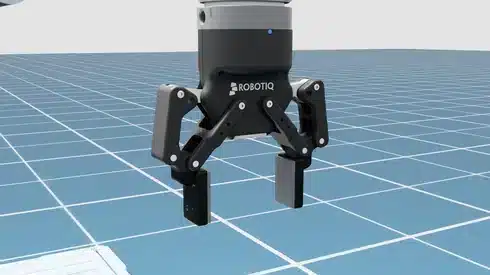
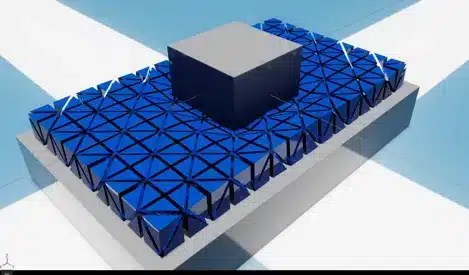
Tactile sensing allows robots to measure force, detect slipping, and recognize contact in real time. Consequently, robots perform delicate assembly and material handling tasks with greater confidence.
Together, vision and touch create more reliable automation.
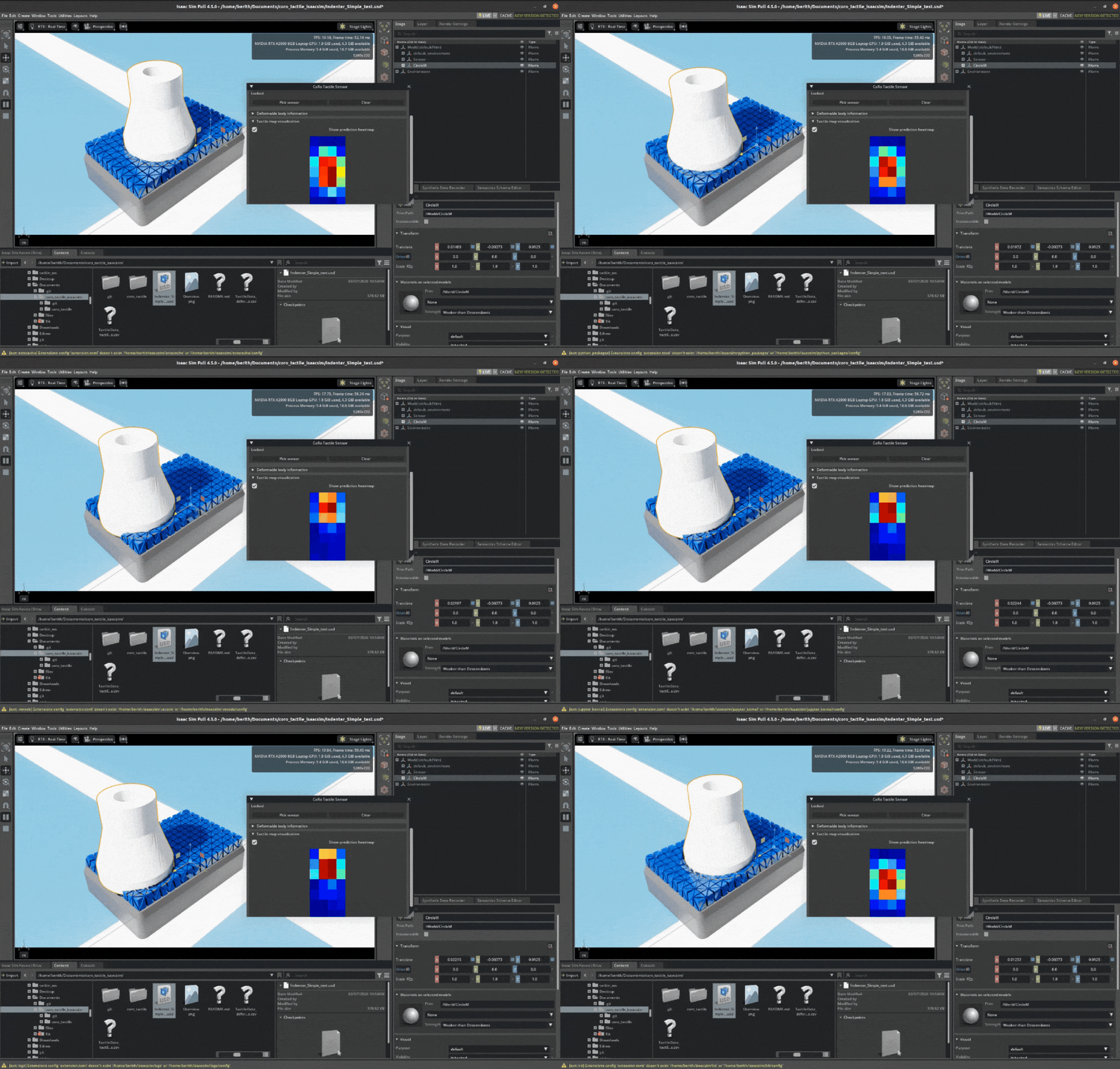
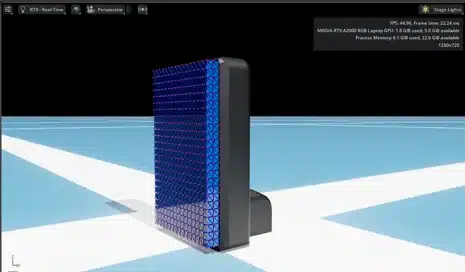
Instead of relying only on physical testing, engineers can validate robotic behavior inside NVIDIA Isaac Sim before deployment.
By combining tactile sensing with simulation, developers can visualize contact forces, refine gripping strategies, and train Physical AI models in a virtual environment. As a result, robots become more reliable while reducing development time, commissioning effort, and overall project risk.
This approach bridges the gap between simulation and real-world automation. Consequently, manufacturers can deploy robotic systems faster while improving consistency, accuracy, and long-term performance.
The Future of Intelligent Robotics
Machine vision gives robots the ability to see. Tactile sensing gives them the ability to understand physical interaction.
Together with simulation and digital twins, these technologies are shaping the next generation of intelligent manufacturing systems. As Physical AI continues to evolve, manufacturers will gain more capable, adaptable, and efficient automation solutions.
If you’re exploring collaborative robotics, machine vision, or intelligent automation, In-Position Technologies can help design and integrate the right solution for your application.