
AI Trends Manufacturers Need to Know in 2025
How AI Is Reshaping Automation Strategies in Manufacturing
Artificial intelligence is no longer a buzzword—it’s the backbone of smart manufacturing. From predictive maintenance to real-time machine decision-making, AI is powering faster, more adaptive, and more efficient production environments. In this article, we break down the top five AI trends shaping the future of manufacturing and how they relate directly to automation technologies offered by our leading partners.
1. Predictive Maintenance & Real-Time Resilience
Gone are the days of reactive maintenance. AI is helping manufacturers predict when machines are likely to fail—and prevent it. Predictive algorithms analyze data from sensors and machine logs to detect abnormalities before they become problems.
Why it matters:
• Reduces unplanned downtime by up to 30%
• Lowers maintenance costs and boosts uptime
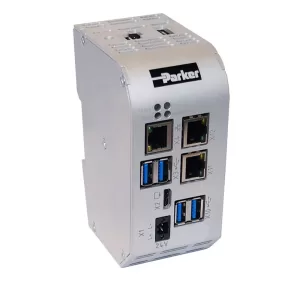
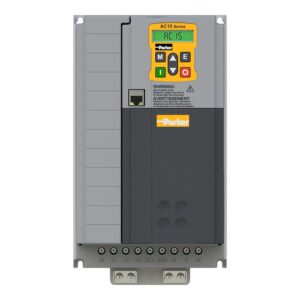
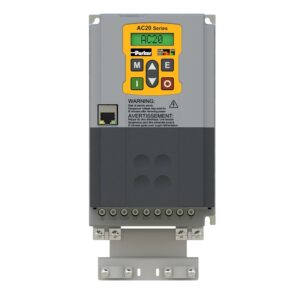
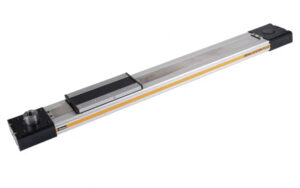
Featured Partner: Parker Hannifin
Parker offers smart actuators and motion controllers integrated with condition monitoring. These systems are designed for high uptime and machine health visibility.
2. AI-Driven Quality Control & Inspection
AI-powered vision systems are now detecting defects faster and more accurately than human inspectors. These systems use deep learning to identify flaws in real-time, ensuring every part meets spec.
Why it matters:
• Ensures high throughput with consistent quality
• Reduces waste and costly product recalls
Featured Partner: LMI Technologies
LMI’s 3D smart sensors power inline inspection, enabling precision surface and dimensional measurement for electronics, automotive, and semiconductor parts.


3. Agentic AI & Autonomous Decision-Making
AI is no longer just a tool—it’s making decisions. From real-time route optimization to process adjustments, AI systems are now capable of acting on the fly based on live data.
Why it matters:
• Increases efficiency across all levels of production
• Makes manufacturing systems more resilient and flexible
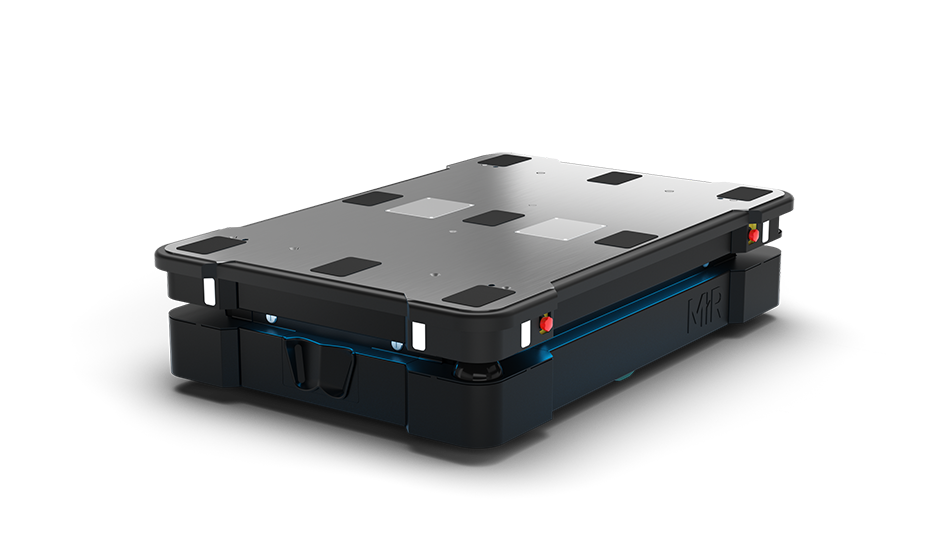
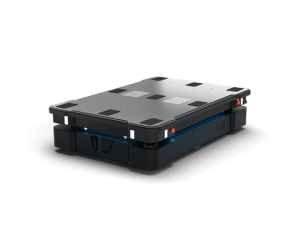
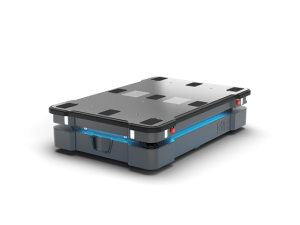
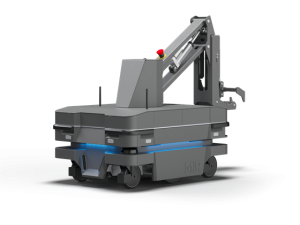
Featured Partner: Mobile Industrial Robots (MiR)
MiR AMRs reroute around obstacles and optimize transport paths dynamically, reducing congestion and improving logistics efficiency.
4. Digital Twins & IIoT Connectivity
Digital twins are virtual models of real-world machines or systems that can be used to simulate, predict, and optimize performance in real time.
Why it matters:
• Enables smarter planning and diagnostics
• Allows remote monitoring and analytics for better decision-making
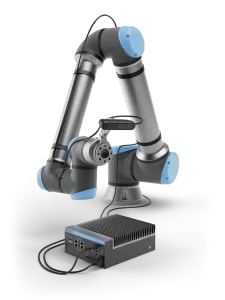
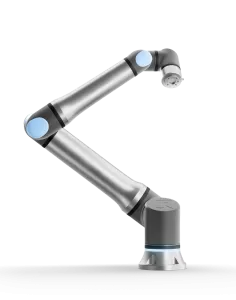
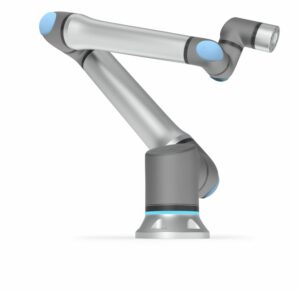
Featured Partner: Universal Robots (UR)
UR cobots provide performance data in real time, helping teams create live digital twins for simulation and monitoring.
5. AI + Robotics: The Smart Automation Combo
Combining robotics and AI creates flexible systems that can handle unpredictable variables like object shape, location, or material changes.
Why it matters:
• Makes robots more versatile and intelligent
• Reduces programming time and complexity
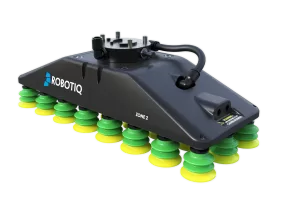
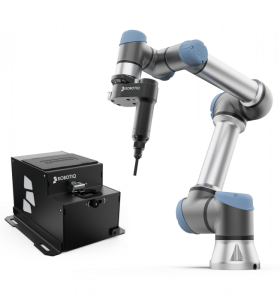
Featured Partner: Robotiq
Robotiq’s grippers and sensors are powered by AI to adapt to part variability, reducing the complexity of robotic deployments.
Conclusion: The automation landscape is evolving fast, and AI is at the center of it. Whether you’re just starting with automation or looking to optimize an advanced setup, our team can help connect the dots between today’s tools and tomorrow’s factory.